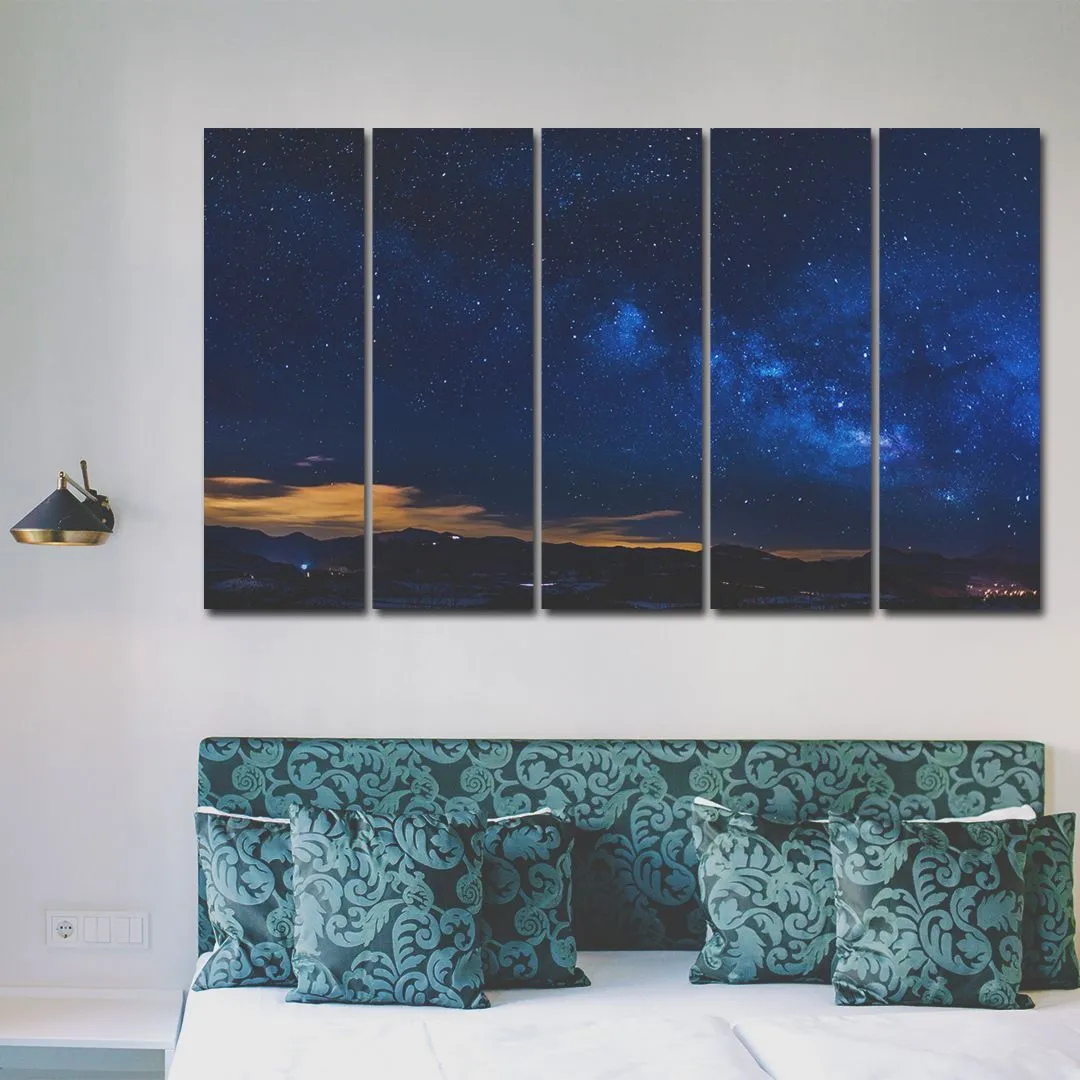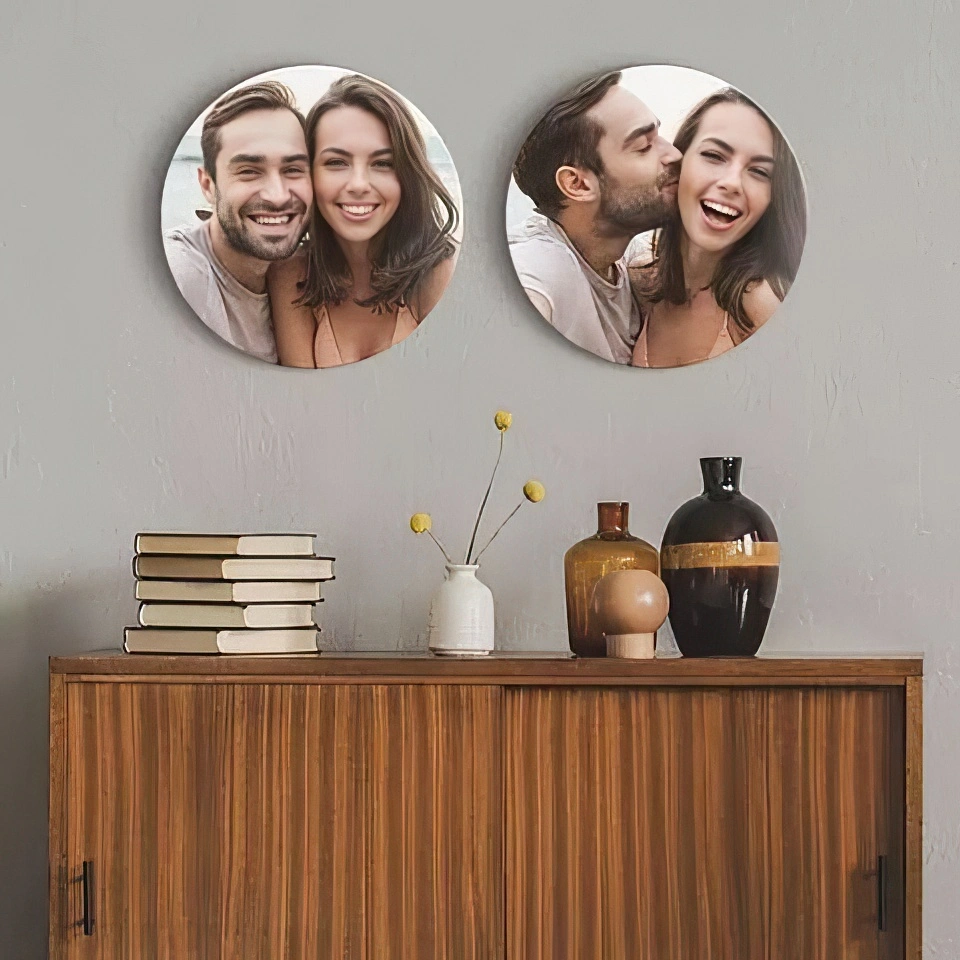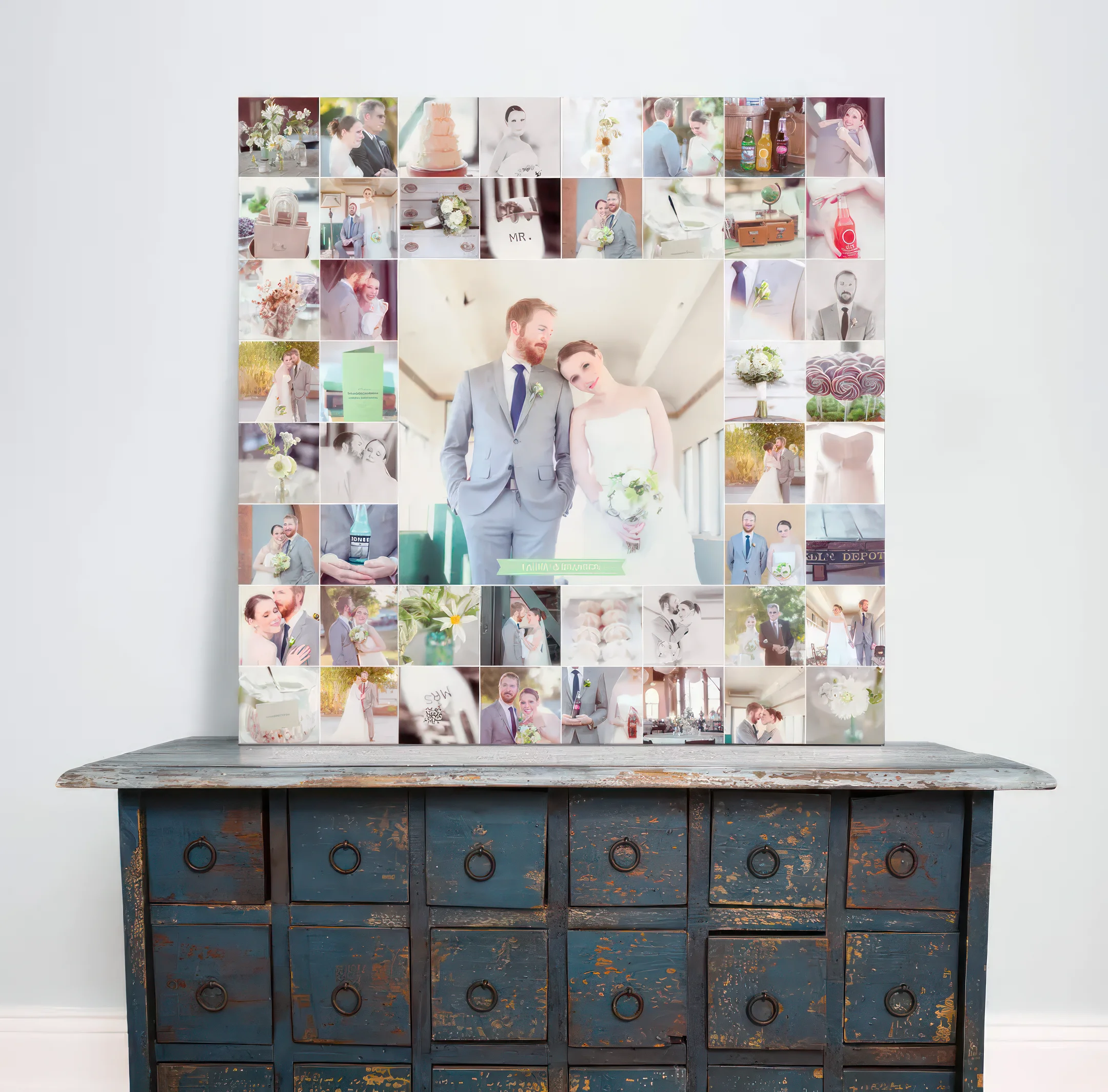




Large format printing transforms photographs, artwork and designs into large visual displays for homes, offices, hotels and commercial spaces. From canvas wall art and photographic displays to customised interior graphics, it helps bring images to life at a scale that attracts attention.
However, increasing the size of an image is not enough to guarantee a professional result. Blurred details, inconsistent colours, unsuitable materials and poor finishing can affect the final appearance. These issues become more noticeable when a print is displayed prominently in a home, office, hotel, retail space or commercial environment.
When comparing large format printing in Dubai, it is worth looking beyond the quoted price. The printing equipment, source image, material selection, colour management and finishing process all influence the outcome.
Understanding these factors can help you choose the right printing solution for your project, avoid common quality issues and get more value from your investment.
What Is Large Format Printing?
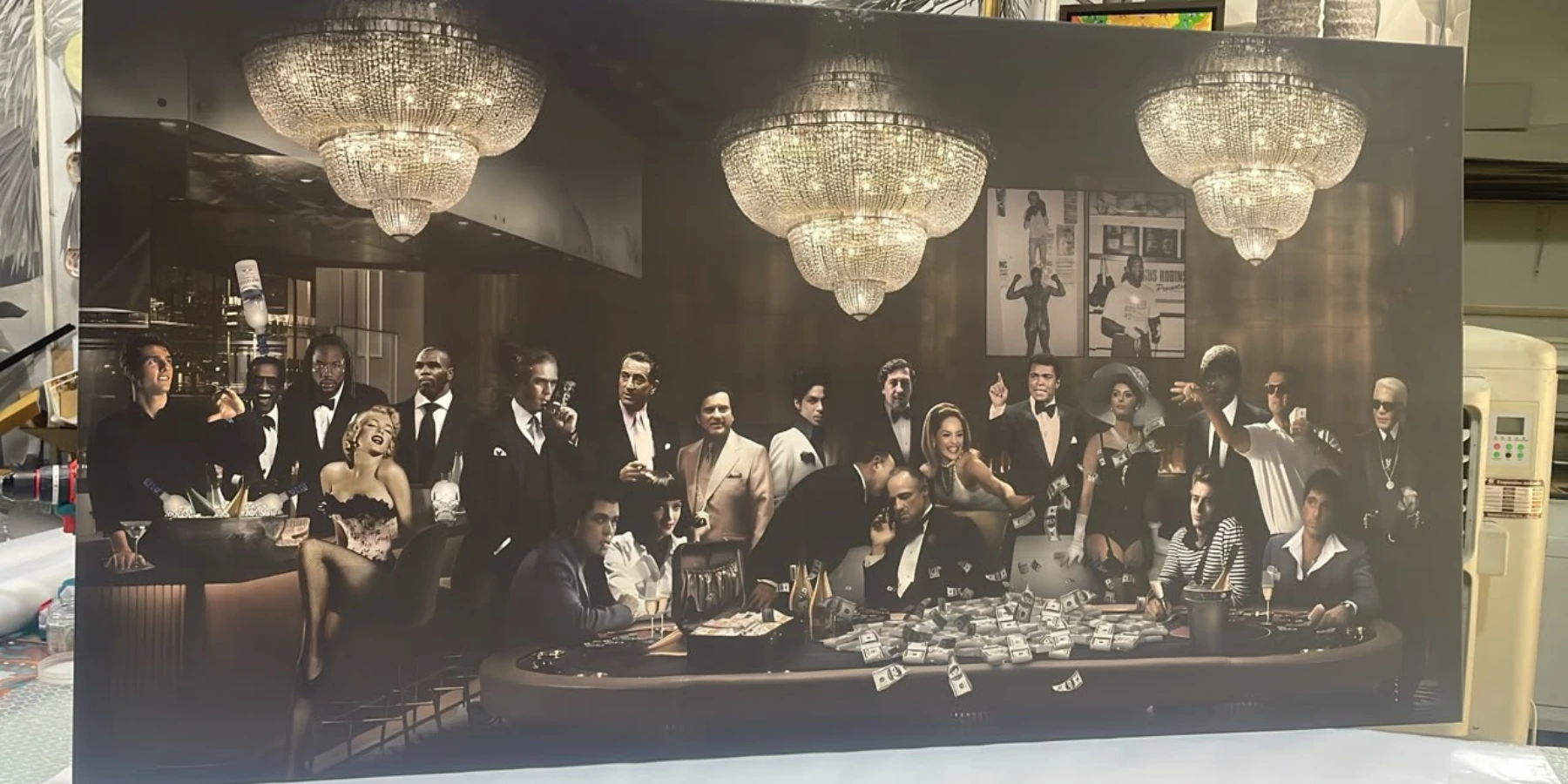
Large format printing refers to printing processes used to produce images, graphics and designs at sizes larger than those typically handled by standard desktop printers. It is used for both decorative and commercial applications, depending on the material, printing technology and intended use.
Unlike a small photograph or document, a large print may be viewed from several distances. This means the required image detail, material and finishing need to be considered in relation to its final size and location.
Common Applications of Large Format Printing
Large format prints are used across a variety of settings.
- Homes: Canvas artwork, photographic wall displays and personalised décor.
- Offices: Brand visuals, reception-area displays and interior graphics.
- Hotels and hospitality spaces: Decorative artwork, coordinated wall displays and visual elements for guest areas.
- Retail environments: Promotional graphics, branded displays and in-store visuals.
- Creative projects: Photographic reproductions, artwork and customised visual displays.
The right printing approach depends on the purpose of the print, how it will be displayed and the level of detail required.
How Printing Equipment Affects Large Format Print Quality
The printing equipment used for a project influences the level of detail, colour reproduction, material compatibility and consistency that can be achieved. A printer must be suitable for the selected material and the dimensions of the final output.
For example, producing a detailed photographic print requires attention to fine image information and colour reproduction. Printing a large decorative graphic may place greater emphasis on viewing distance, overall clarity and material suitability.
When evaluating professional large format printing, consider the following equipment-related factors.
Print Resolution and Detail Reproduction
Printer resolution contributes to how finely an image can be reproduced. However, the equipment’s capabilities must be matched with an appropriately prepared source file.
A high-resolution printer cannot fully compensate for a small, blurry or heavily compressed image. Both the original file and the printing process matter when producing a large image.
Material Compatibility
Different materials have different surface characteristics and printing requirements. Equipment and printing methods need to be appropriate for the chosen surface to achieve a suitable result.
For example, canvas, photo paper, acrylic and metal do not produce identical visual finishes. The printing process must account for the characteristics of the selected material.
Consistency Across Multiple Prints
For projects involving several prints, consistency becomes particularly important. This may include maintaining similar colours, dimensions, image positioning and finishing across a coordinated set.
For hotels, offices or retail environments, consistent output can help create a more unified visual presentation.
Why Large Format Printing Materials Matter
Material selection affects the appearance, texture, finish and suitability of the final print. The same image can look different when printed on canvas rather than photo paper or another surface.
When exploring large format printing services, start by identifying how the print will be used. A decorative photograph for a living room may have different requirements from a graphic intended for a business display.
Comparing Popular Printing Materials
| Material | Typical appearance | Suitable applications |
| Canvas | Textured, artwork-inspired finish | Wall art, photographs and decorative displays |
| Photo paper | Smooth surface with a choice of finishes | Photographs, detailed images and image-led displays |
| Acrylic | Smooth, contemporary appearance | Modern wall displays and selected commercial interiors |
| Metal | Distinctive, contemporary finish | Decorative artwork and selected business displays |
Each material has its own characteristics, and the best option depends on the desired appearance, image type, display setting and budget.
Why Canvas Composition and Weight Matter
Canvas printing is a popular option for creating large decorative images. However, canvas products can differ in composition, weight, surface texture and suitability for stretching.
CanvasJet uses imported 390 GSM poly-cotton canvas for its canvas printing. This is a specific material choice that forms part of the overall canvas printing process.
When comparing canvas products, consider more than the GSM figure. The material composition, ink compatibility, image quality and frame construction also contribute to the finished product.
For a print intended to remain on display for an extended period, it is worth asking about the complete construction rather than choosing based on price or material weight alone.
Image Resolution: How to Avoid Pixelated Large Prints
One of the most common concerns with large format printing is whether a digital image will remain clear when enlarged.
Every digital image contains a finite number of pixels. When a small image is enlarged substantially, those pixels must cover a larger area. If the source file does not contain enough image information for the intended dimensions, the result may appear soft, blurry or pixelated.
What Determines the Resolution You Need?
There is no single resolution requirement that applies to every large print. The appropriate resolution depends on the final dimensions, viewing distance, image content and capabilities of the printing process.
Use these checks before submitting your file:
- Check the original dimensions: Review the image’s pixel width and height.
- Confirm the print size: Make sure the file is suitable for the intended physical dimensions.
- Avoid unnecessary compression: Highly compressed files may lose fine detail.
- Use the best available original: A high-quality original photograph or artwork file generally provides a better starting point.
- Ask before enlarging: If you are unsure whether an image is suitable, ask the printing provider to assess it before production.
For example, an image displayed as a large wall feature may need a different preparation approach from a photograph viewed closely. The intended viewing distance should therefore be considered alongside the final print dimensions.
Good file preparation helps the printing equipment reproduce the available detail more effectively. It cannot, however, guarantee that every low-resolution image will become sharp simply by increasing its size.
Colour Accuracy and Image Reproduction
Colour accuracy is another important consideration when producing large prints. Colours that appear vibrant on a screen may look different on a physical surface because screens emit light, whereas printed images rely on a printing process and the characteristics of the material.
The source file, colour settings, ink, printing method and surface can all influence the final appearance.
What Helps Improve Colour Consistency?
A professional production process should consider the following:
- Source file quality: Images should be prepared with appropriate dimensions and colour information.
- Material selection: Different surfaces can affect how colours and contrast appear.
- Ink and printing compatibility: The printing process must suit the material being used.
- Colour management: Appropriate settings help maintain more predictable output.
- Review before production: Where proofs or previews are available, reviewing them can help identify issues before printing.
Colour accuracy does not mean that every printed shade will look identical to its on-screen equivalent. Instead, it involves managing the process to achieve a result that is appropriate for the image and the customer’s expectations.
This becomes especially important for business displays, coordinated artwork sets and images featuring subtle colour variations.
Finishing and Framing: Completing the Print
A large print’s appearance depends on more than the image on its surface. Finishing determines how the product is presented, mounted and prepared for display.
The right finishing method depends on the material. A photo paper print, for instance, has different finishing requirements from a stretched canvas. Similarly, acrylic and metal prints may require specific mounting or installation arrangements.
Why Canvas Frame Construction Matters
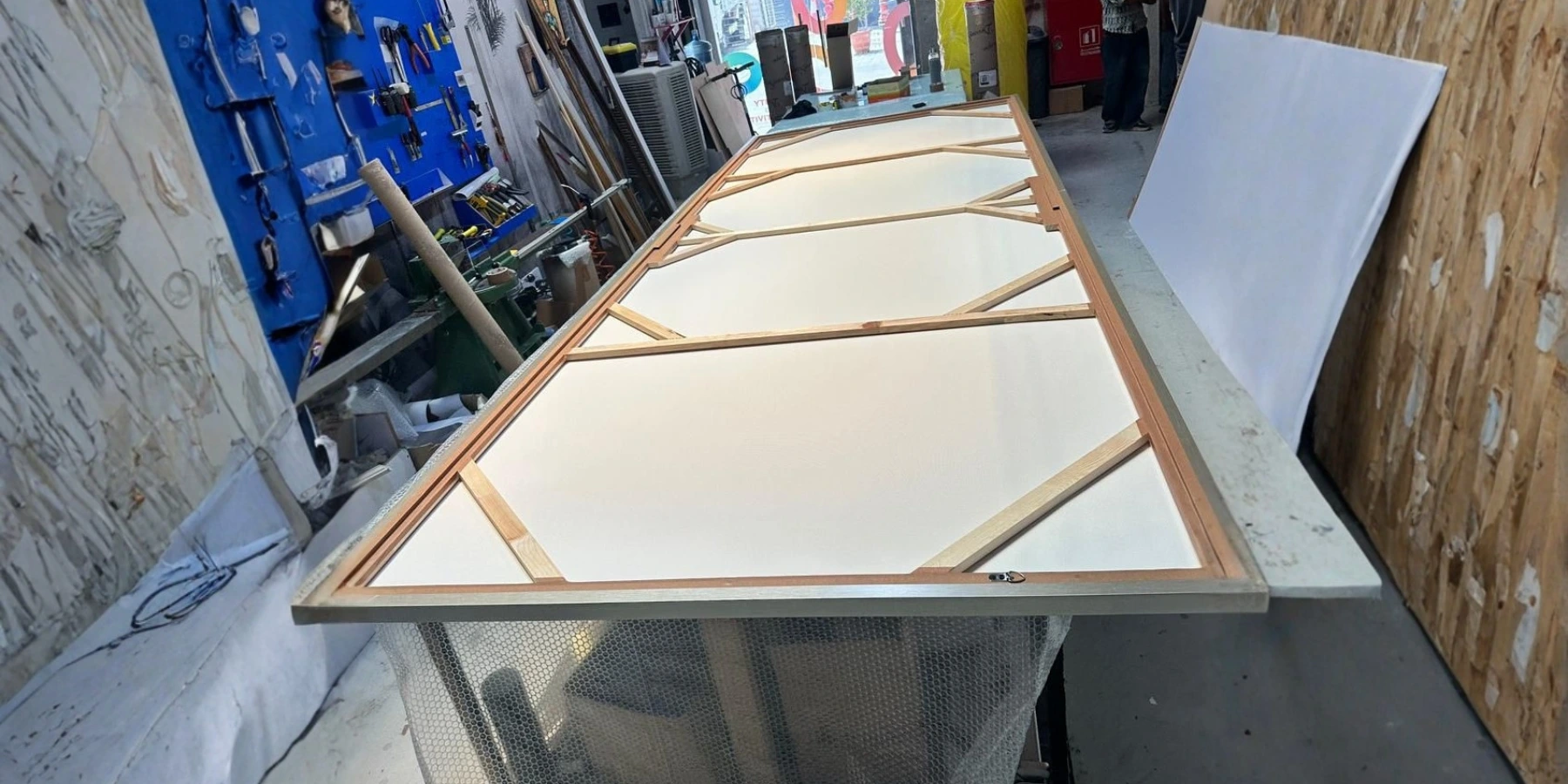
For canvas prints, wooden stretcher bars provide the structure that supports the stretched canvas. Their construction and edge design can influence how the material sits against the frame.
CanvasJet uses wooden stretcher bars designed specifically for canvas stretching, featuring curved edges intended to reduce direct, damaging contact with the canvas. This design consideration supports the finishing process, although the canvas’s long-term condition also depends on handling, installation and the environment.
Before ordering a stretched canvas, confirm whether the price includes the frame, stretching and other finishing requirements. Comparing these details can help you understand what each provider is offering.
Consider the Display Environment
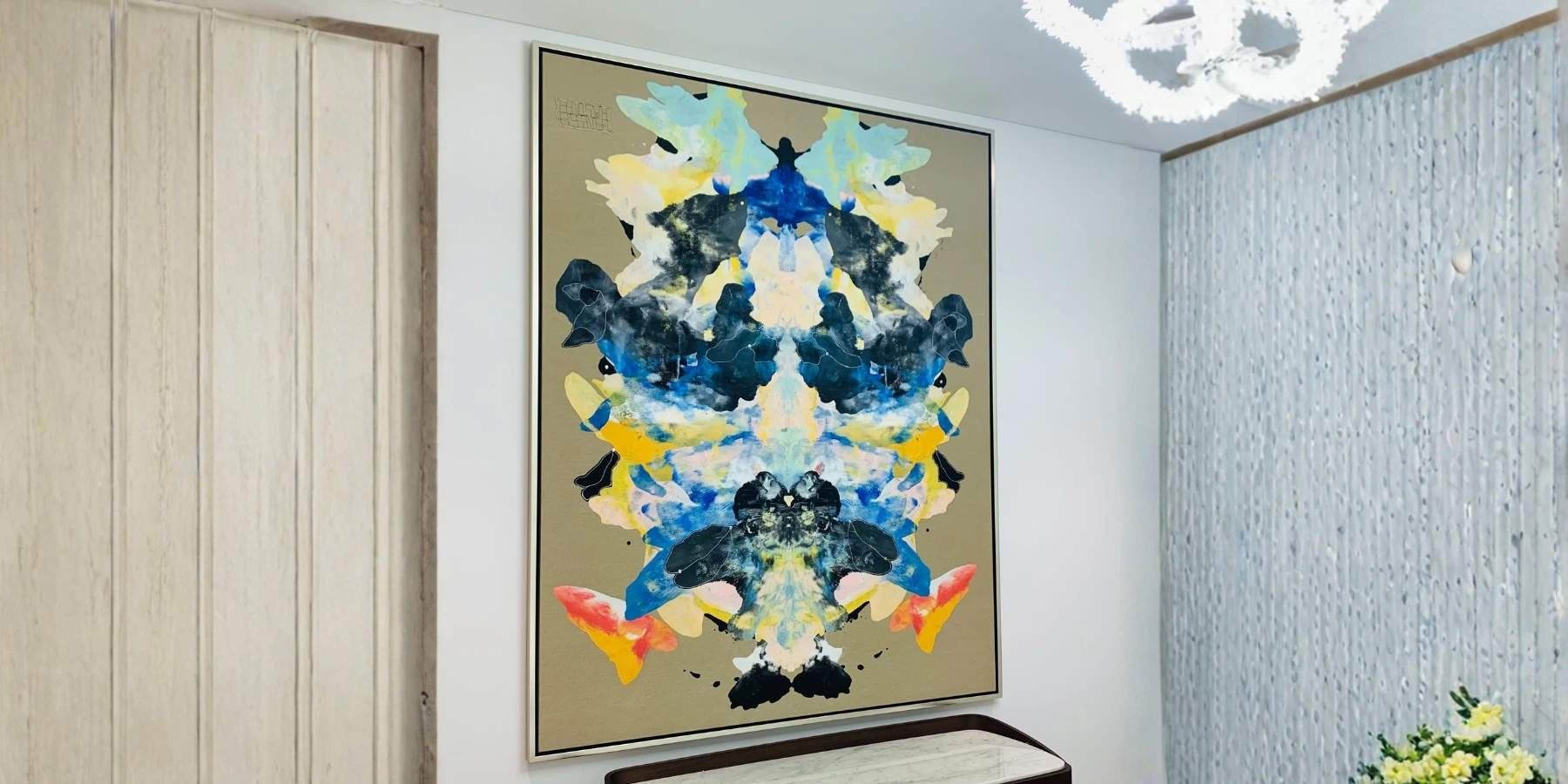
The intended location should also influence your finishing choices.
- Living rooms and bedrooms: Consider how the print complements the room’s colours, furniture and lighting.
- Offices and reception areas: Prioritise a finish that suits the brand identity and interior design.
- Hotels and hospitality spaces: Consider consistency across multiple artworks and the practical requirements of installation.
- Retail environments: Choose a finish suited to the display’s purpose and expected handling.
Selecting the right finishing option helps ensure that the print works as part of the wider space rather than appearing disconnected from it.
How to Choose a Large Format Printing Service in Dubai
Finding the right printing provider involves evaluating the complete service, not just the price per print. The most suitable option should match your material requirements, image quality, finishing expectations and intended use.
Use the following checklist when comparing large format printing in Dubai.
| What to compare | Questions to ask |
| Printing capabilities | Can the provider produce your required size and material? |
| Material specifications | What material, composition and finish are included? |
| Image preparation | Is your source file suitable for the requested dimensions? |
| Colour reproduction | How are colour handling and output consistency managed? |
| Framing and finishing | Does the quotation include stretching, framing or mounting? |
| Quality checks | What is inspected before the finished print is dispatched? |
| Pricing | Are all required materials, finishing and other charges included? |
| Delivery and support | What delivery options and assistance are available for your order? |
These questions are useful whether you are ordering a single canvas for your home or arranging several prints for a commercial space.
For larger projects, clarify the specifications of every print before placing the order. This can help reduce inconsistencies and ensure that the finished products meet the requirements of the space.
Large Format Printing at CanvasJet
CanvasJet provides online printing services in the UAE, including for customers in Dubai and Abu Dhabi. Whether you are planning personalised wall art or exploring printing options for a commercial project, choosing the right material and finish is an important part of the process.
For canvas printing, CanvasJet uses imported 390 GSM poly-cotton canvas and wooden stretcher bars designed for canvas stretching, with curved edges intended to reduce damaging contact with the canvas. Material selection, suitable inks, printing capabilities, image preparation and finishing all contribute to the final output.
These considerations are important because professional print quality is not determined by a single specification. The source image, chosen material, printing process and finished construction need to work together.
If you are evaluating large format printing services, consider your intended display, preferred material, required dimensions and expectations for the finished product before ordering.
CanvasJet can help you explore the available printing options for your requirements.
Ready to Bring Your Images to Life with CanvasJet?
A large print deserves more consideration than simply enlarging an image and sending it to a printer. The right material, appropriate image resolution, colour handling and finishing can all influence how the final result looks in your space.
At CanvasJet, you can explore printing options for photographs, canvas artwork and customised visual displays, with material selection and finishing considered as part of the final product.
Whether you are refreshing your home interiors, planning artwork for an office or preparing visuals for a commercial space, start with the size, material and finish that suit your project.
Have a print project in mind? Contact CanvasJet to discuss your requirements and explore the right printing option for your images.
Frequently Asked Questions
1. What is large format printing?
Large format printing is used to produce images, graphics and designs at sizes larger than those typically handled by standard desktop printers. Applications include canvas artwork, photographic displays, interior graphics and selected commercial visuals.
2. What is large format printing used for?
It is used for decorative wall art, photographs, office displays, hotel interiors, retail graphics and other applications where larger visual elements are required. The material and printing method depend on the purpose of the print.
3. How do I choose a large format printing service in Dubai?
Compare printing capabilities, material specifications, image requirements, colour handling, finishing options, quality checks and the complete quoted price. Make sure the provider can meet your required dimensions and intended application.
4. What affects large format print quality?
Print quality depends on the source image, resolution, printing equipment, material, ink compatibility, colour management and finishing. These factors work together to influence the final appearance.
5. What image resolution is needed for large format printing?
The appropriate resolution depends on the print dimensions, viewing distance, image content and printing process. Ask the provider to assess your original file if you are unsure whether it will remain clear at the intended size.
6. Why do colours look different in printed images?
Screens emit light, while printed images are produced on physical surfaces. Differences in colour settings, ink, printing methods and materials can affect how the final colours appear.
7. Which materials are used for large format printing?
Common options include canvas, photo paper, acrylic and metal. Each offers a different appearance and set of characteristics, so the right choice depends on the image, display location and desired finish.
8. Does canvas weight affect print quality?
Canvas weight is one consideration, but it does not determine quality by itself. Material composition, surface characteristics, ink compatibility, image preparation and frame construction also contribute to the finished product.
9. How can I prevent pixelation in large prints?
Start with the highest-quality original image available, check its pixel dimensions, avoid excessive compression and confirm that the file suits your intended print size. Enlarging a low-resolution image cannot fully restore missing detail.
10. Is large format printing suitable for business projects?
Yes. It can be used for office artwork, hotel interiors, reception displays, retail visuals and other commercial applications. Material choice, consistency, finishing and installation requirements should be considered before ordering.
Since 2012, CanvasJet has been crafting affordable, high-quality Personalized Photo Gifts and offering premium Photo Printing that celebrates life’s moments. Order online and we deliver fast anywhere in Dubai, Abu Dhabi, or any other city in the United Arab Emirates.
*This blog is written by Team CanvasJet
Important Links – Review | Contact
Instagram – Canvasjet
Facebook – Canvasjet