
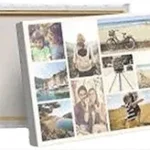

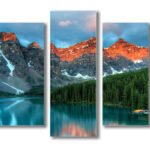


Statement wall ideas can help transform an ordinary room into a more visually engaging space without requiring a complete interior makeover. A carefully selected piece of artwork, a balanced collection of prints or a well-planned feature wall can immediately draw attention and give the room a stronger focal point.
However, creating a statement wall is not simply about adding more artwork. Too many prints, competing colours or poorly planned layouts can make a room feel busy rather than balanced. The key is to create visual impact while allowing enough breathing space around the artwork.
Whether you are decorating a living room, bedroom, dining area or hallway, thoughtful statement wall décor can make a significant difference when the size, placement, colours and artwork style work together.
What Is a Statement Wall?
A statement wall is a wall intentionally designed to attract attention and become a focal point within a room.
It can feature a large artwork, a collection of coordinated prints, a photographic composition or another decorative treatment. Unlike ordinary wall décor, the purpose of a statement wall is to create a stronger visual moment within the space.
A statement wall does not necessarily need to be the largest or most decorated wall in the room. It simply needs to have enough visual presence to naturally attract attention.
1. Choose One Main Focal Point
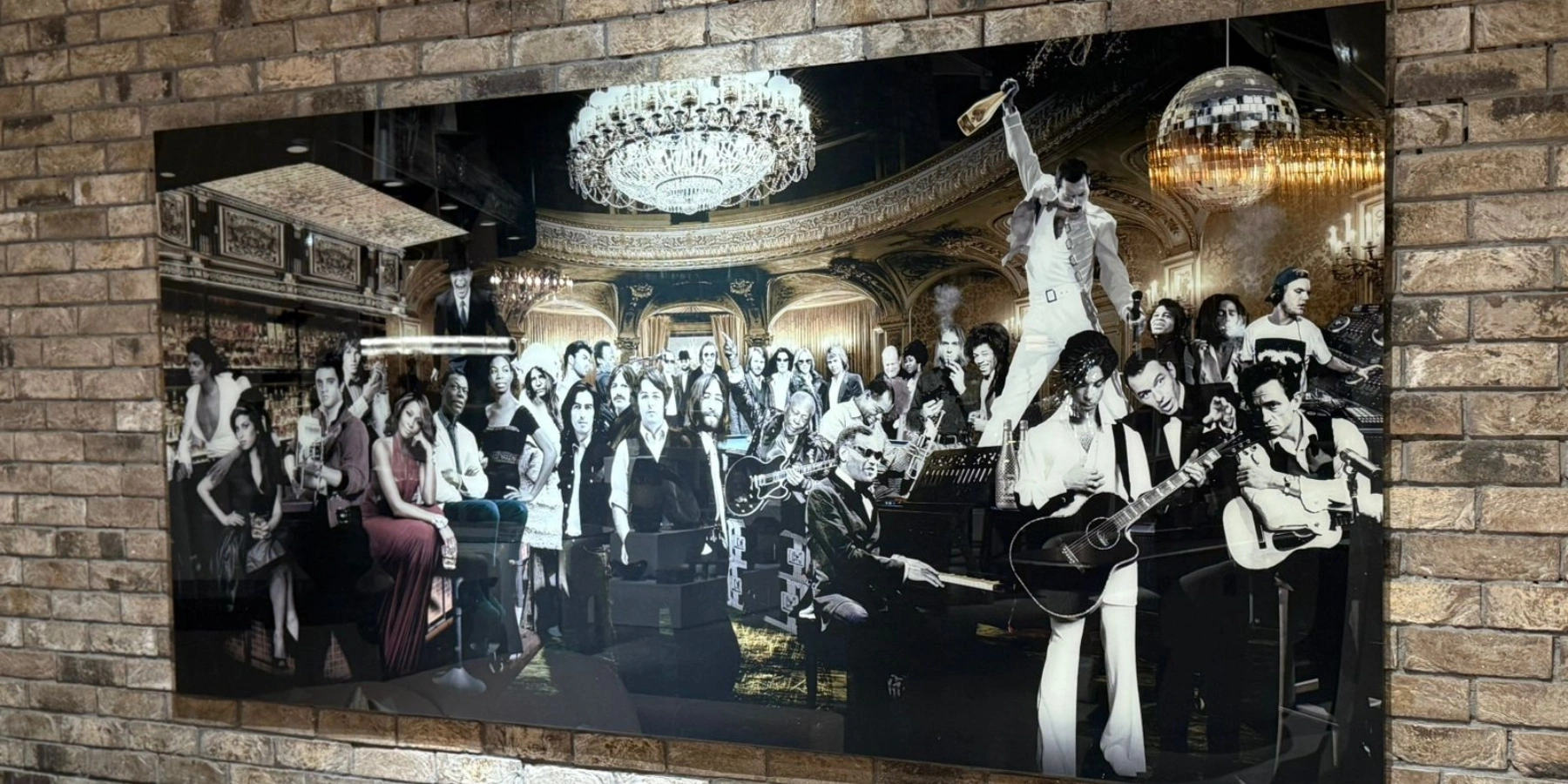
One of the easiest ways to avoid overcrowding is to establish a clear focal point. Instead of placing several unrelated pieces on the same wall, choose one artwork that immediately attracts attention. This could be a large photograph, an abstract print, a personalised artwork or a bold piece of custom wall art. The remaining décor should support the focal point rather than compete with it.
Let the Artwork Lead
If your main artwork contains strong colours or intricate details, keep the surrounding décor relatively simple. This gives the artwork enough space to stand out.
A visually powerful piece often has more impact when it is surrounded by negative space.
2. Consider the Size of Your Wall
The proportions of the wall should guide your artwork selection.
A small print placed in the centre of a very large wall can appear disconnected from the surrounding furniture. On the other hand, an oversized piece on a narrow wall can make the space feel cramped. Before choosing artwork, measure the wall and consider the furniture positioned around it. For example, a large horizontal artwork may work particularly well above a sofa or console, while vertically oriented artwork can complement taller walls.
3. Match Artwork With Your Furniture
Your statement wall should feel connected to the rest of the room. Consider the sofa, bed, dining table, console or other major furniture positioned near the wall. The artwork should generally complement the proportions and visual weight of these pieces. For a sofa wall, for example, the artwork should have enough width to relate visually to the sofa without extending too far beyond it. This simple relationship can make the overall arrangement feel more intentional.
4. Use Negative Space to Your Advantage
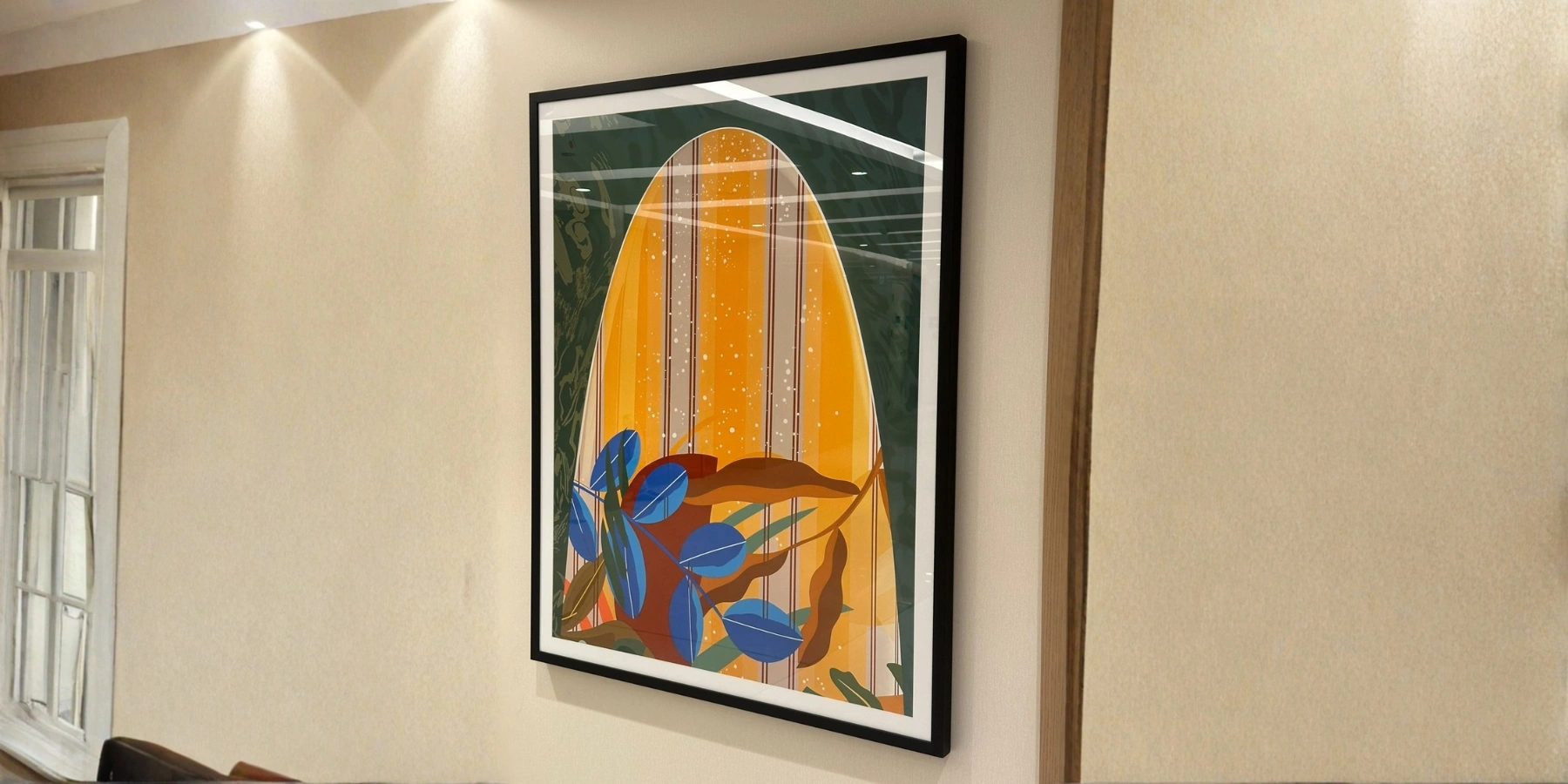
Negative space is one of the most important elements of balanced wall décor. Leaving empty space around artwork allows the eye to focus on the main visual element. It also prevents the wall from feeling overloaded. This is particularly important when using large wall art. A large artwork already has visual presence, so it may not require additional pieces surrounding it.
Think of the empty space as part of the design rather than as wasted wall area.
5. Keep Your Colour Palette Controlled
Colour can quickly make a statement wall feel overwhelming.
If the artwork already contains several strong colours, consider keeping the surrounding furniture and décor relatively restrained. Alternatively, choose artwork that picks up one or two colours already present in the room. A controlled colour palette can help different elements feel connected. This does not mean everything needs to match exactly. Instead, look for complementary or repeated tones that create visual continuity.
6. Decide Between One Large Artwork and Multiple Prints
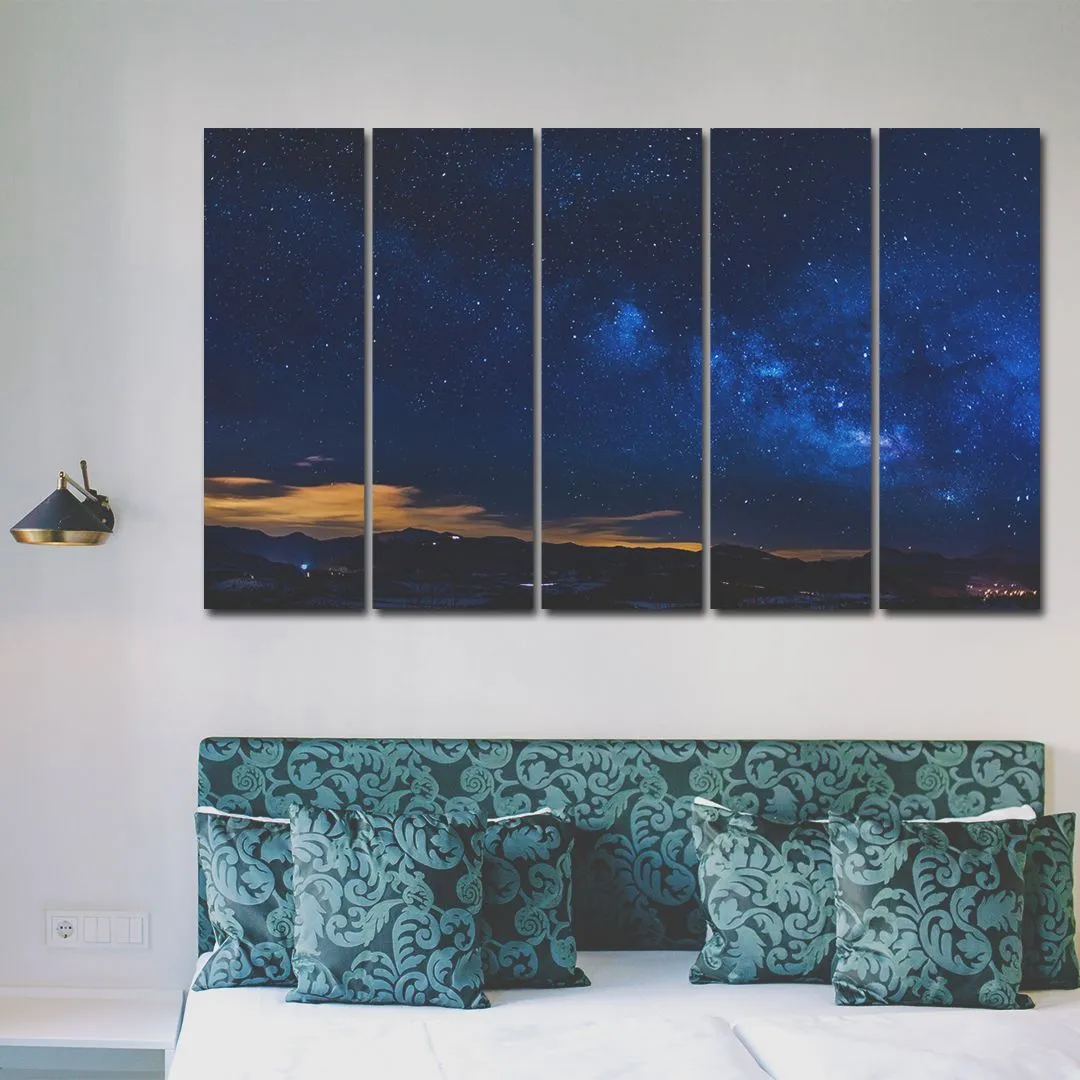
Both approaches can work, but they create different effects. A single oversized artwork creates a clean and dramatic focal point. It is often suitable for minimalist and contemporary interiors.
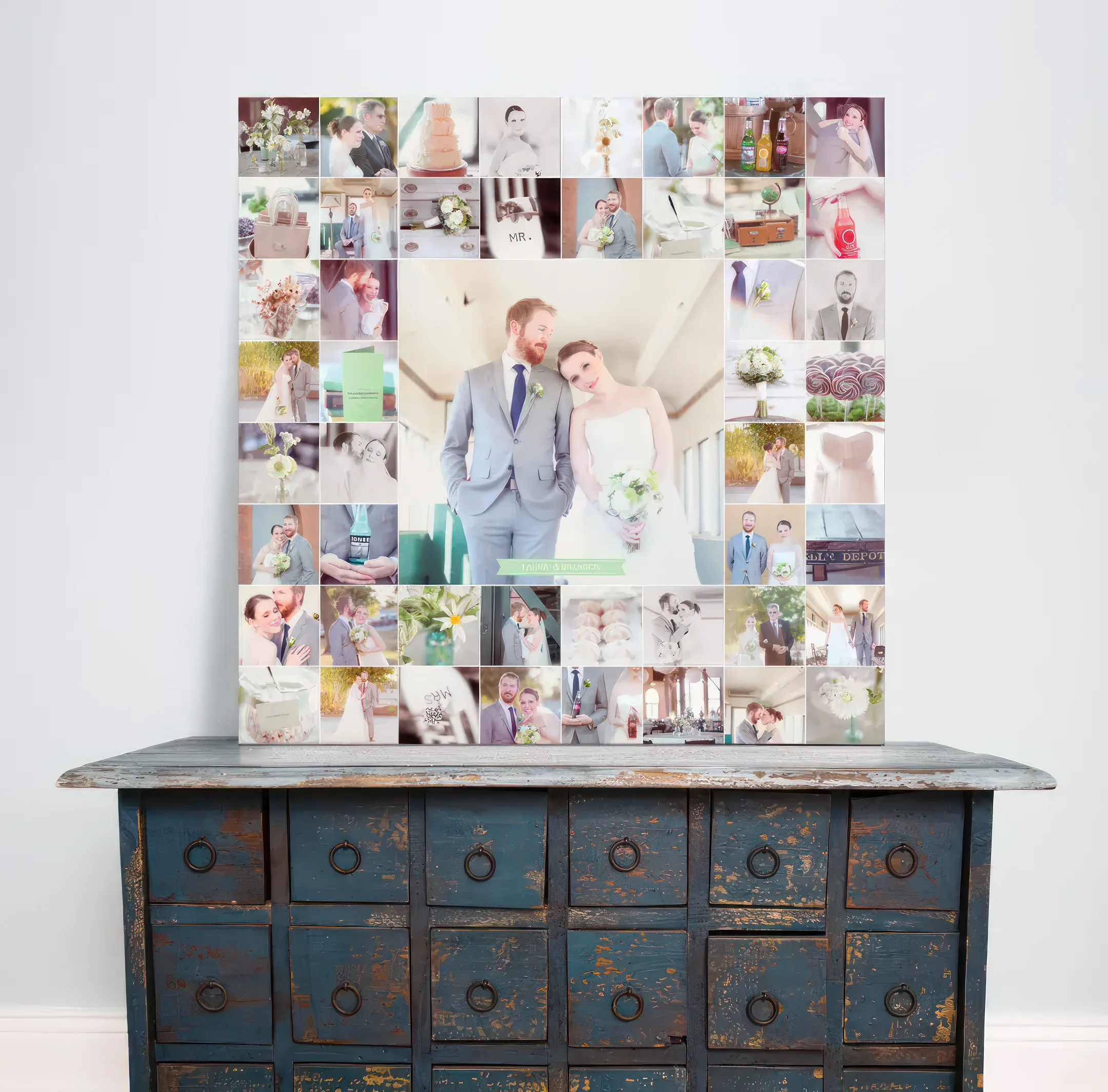
A collection of smaller artworks provides more flexibility and can create a gallery-inspired appearance. However, multiple pieces require careful planning to avoid a cluttered result. If you prefer gallery wall ideas, establish a consistent relationship between the artworks before putting anything on the wall.
7. Plan Your Gallery Wall Before Installation
If you are creating a multi-piece statement wall, do not start drilling immediately.
Lay the artworks on the floor and experiment with different arrangements first. You can also use paper templates to represent each frame or print on the wall.
Pay attention to:
- Spacing between pieces
- Overall width and height
- Alignment
- Frame styles
- Artwork colours
- Relationship with nearby furniture
A planned arrangement will usually look more cohesive than a collection of pieces added one at a time.
8. Choose Artwork That Suits the Room’s Style
The artwork should complement the overall interior rather than appearing unrelated to it.
For minimalist interiors, consider clean photography, abstract designs or simple compositions. Traditional spaces may suit classical imagery, landscapes or detailed artwork, while contemporary interiors can accommodate bold photography, graphic artwork or modern compositions. The objective is not necessarily to match the room perfectly. A statement piece can contrast with the interior, but the contrast should feel intentional.
9. Use Custom Wall Art for a More Personal Statement
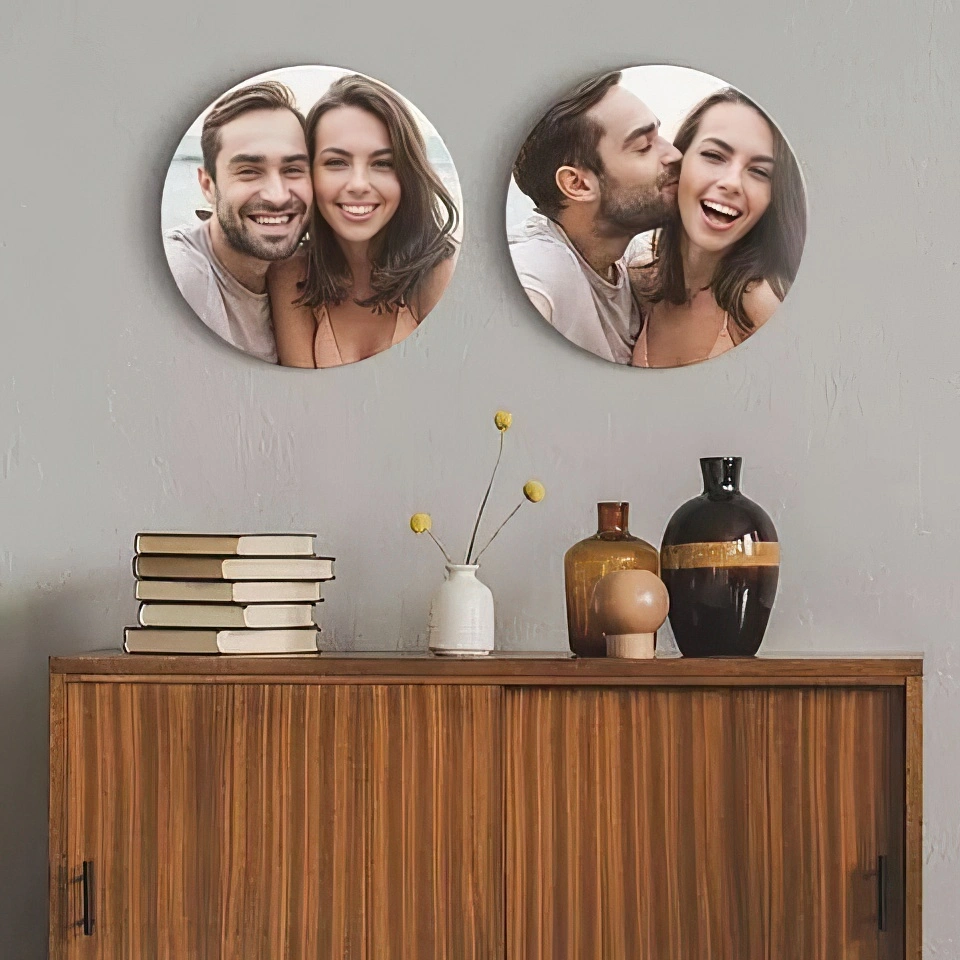
A statement wall does not have to rely on ready-made artwork. Custom wall art allows you to use your own photographs, artwork, colours or designs. This can be particularly useful when you want the wall to reflect your personality or create a specific visual theme.
For example, a family photograph can become a focal point in a living room, while travel photography can create a visual story in a hallway. Custom printing also gives you greater control over the dimensions and format of the final artwork.
10. Think About Lighting
Lighting can significantly change how artwork appears. Natural light, ceiling lights, wall lights and spotlights can affect colours, shadows and reflections. Before finalising your statement wall, consider how the artwork will look at different times of day. If the artwork is positioned in a darker area, suitable accent lighting can help draw attention to it. At the same time, avoid excessive direct lighting that could create distracting reflections, particularly with certain print finishes.
11. Avoid Mixing Too Many Visual Styles
A statement wall should have a clear visual direction. Combining unrelated photographs, illustrations, typography and decorative objects can make the wall feel chaotic. If you want to mix different types of artwork, look for a common element such as colour, theme, subject or frame style.
For example, several different travel photographs can work together when they share a similar colour treatment or presentation style.
12. Consider the Wall Around Your Artwork
The surrounding wall and décor also affect how the statement piece is perceived. If the room already contains patterned curtains, bold rugs, colourful cushions or heavily detailed furniture, a simpler artwork may create better balance. If the rest of the room is relatively neutral, you have more freedom to introduce stronger artwork. The aim is to create contrast without creating competition.
Statement Wall Ideas for Different Rooms
| Room | Statement Wall Idea |
| Living Room | Oversized artwork above the sofa |
| Bedroom | Large calming photograph or abstract artwork |
| Dining Room | Coordinated multi-panel artwork |
| Hallway | Series of related photographs |
| Home Office | Minimalist artwork or personalised prints |
| Entryway | One strong focal artwork |
| Staircase | Vertical artwork collection |
The best option depends on the available wall space, furniture arrangement and overall interior style.
How to Create a Statement Wall Without Making It Feel Busy
The simplest approach is to prioritise balance over quantity.
Start with one clear visual idea. Select artwork that fits the scale of the wall, establish a controlled colour palette and leave enough space around the main piece. If you are using multiple artworks, create a relationship between them through colour, subject, size or framing.
Most importantly, step back and assess the entire wall rather than focusing on individual pieces. A statement wall should feel intentional from a distance as well as up close.
Which Material Is Best for a Statement Wall?
The material you choose can influence the overall look, texture and visual impact of your statement wall. While canvas and acrylic are popular choices, other formats can work equally well depending on your artwork, interior style and the effect you want to create.
Canvas prints offer a softer, more art-inspired appearance and works particularly well for portraits, family photographs, paintings and designs where you want a warm, textured feel.
Acrylic prints create a sharper, contemporary finish with strong colour depth and visual clarity. It can work especially well for modern interiors, colourful photography and high-contrast artwork.
Metal prints can add a sleek, modern character to statement walls, particularly when the artwork has bold colours, architectural details or a contemporary aesthetic.
Wood prints bring a more natural, understated quality to a space and can complement earthy interiors, travel photography and artwork with organic tones.
Framed prints offer greater flexibility, allowing the frame itself to become part of the overall design. They can work well when you want the artwork to connect with existing furniture, finishes or décor elements.
The right choice ultimately depends on the artwork, wall size, lighting, surrounding décor and the visual mood you want to create. At CanvasJet, you can explore different printing formats and choose the one that best complements your statement wall.
Create a Statement Without Overdoing It
A successful statement wall is not necessarily the most colourful or heavily decorated wall in your home. Its impact comes from thoughtful choices.
Choose artwork that has meaning or visual strength, give it enough room to breathe and consider how it interacts with the rest of your interior. Whether you choose one oversized print or a carefully arranged collection, the goal should be to create a focal point that feels balanced rather than overwhelming.
With the right statement wall ideas, even a simple wall can become one of the defining visual elements of a room.
Ready to Create Your Statement Wall?
The right artwork can completely change how a room feels, but the final result comes down to more than simply choosing a large print. Size, material, layout, colour and placement all work together to create a balanced focal point.
Have a photograph, artwork or idea in mind? Create your statement wall with CanvasJet and choose from custom canvas, acrylic, Metal or Wood printing etc options designed to bring your walls to life. Upload your image, select the format and create a piece that fits your space and your style.
Frequently Asked Questions
1. What is a statement wall?
A statement wall is a wall intentionally designed to become a focal point within a room. It can feature oversized artwork, a coordinated collection of prints, personalised artwork or other decorative elements that attract attention.
2. How do I create a statement wall without overcrowding it?
Choose one primary focal point, use artwork that is proportionate to the wall and leave sufficient negative space around it. If you use multiple pieces, maintain consistency through colour, theme, size or framing.
3. Should a statement wall have one large artwork or multiple prints?
Both options can work. One large artwork creates a cleaner and more dramatic effect, while multiple coordinated prints can create a gallery-style appearance. The choice depends on your wall size, interior style and preferred visual effect.
4. How large should statement wall art be?
The ideal size depends on the wall and surrounding furniture. Artwork should have enough visual presence to relate to the space without overwhelming it. Measuring the wall and furniture before choosing the print size can help create better proportions.
5. What type of artwork works best for a statement wall?
Photography, abstract artwork, illustrations, personalised photographs and graphic designs can all work well. The best choice should complement the room’s style, colour palette and overall décor.
6. Can I use personal photographs for a statement wall?
Yes. Personal photographs can make statement walls more meaningful and distinctive. Family portraits, travel photographs, wedding images and other memorable moments can be converted into custom wall art.
7. Is canvas printing good for statement walls?
Canvas printing can be a suitable choice for statement walls, particularly when you want an artwork to have a softer, art-inspired appearance. It can work well with photographs, illustrations and custom artwork.
8. Is acrylic printing suitable for statement wall art?
Acrylic printing can be suitable for contemporary interiors where a clean presentation and strong visual clarity are preferred. It can work particularly well with colourful photographs, modern artwork and high-contrast designs.
9. How much space should I leave between artworks?
There is no single spacing measurement that works for every wall. The spacing should be consistent and proportionate to the artwork and overall arrangement. Testing the layout with paper templates before installation can help you find the right balance.
10. How can I make a gallery wall look cohesive?
Create a visual connection between the pieces through a shared colour palette, subject, frame style, artwork size or theme. Planning the complete arrangement before installation can also prevent the wall from appearing random or overcrowded.
—-
Since 2012, CanvasJet has been crafting affordable, high-quality Personalized Photo Gifts and offering premium Photo Printing that celebrates life’s moments. Order online and we deliver fast anywhere in Dubai, Abu Dhabi, or any other city in the United Arab Emirates.
*This blog is written by Team CanvasJet
Important Links – Review | Contact
Instagram – Canvasjet
Facebook – Canvasjet